Are You Kidding Me: A Font That Brings Playful Personality to Your Designs
In a digital landscape saturated with sleek, minimalist typefaces, sometimes a project calls for a dose of authentic, human energy. This is where Are You Kidding Me enters the conversation, offering a refreshingly bold and whimsical handwritten style that immediately captures attention. It’s more than just a font; it’s a creative tool designed to inject personality, humor, and a touch of irreverence into your visual communication, making it a valuable asset for designers seeking to break from the ordinary.
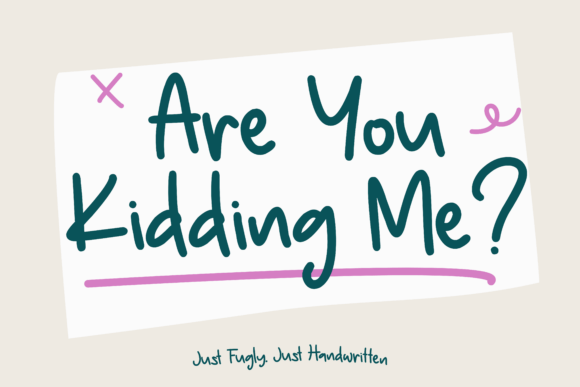
From a professional graphic design perspective, the value of a typeface like Are You Kidding Me lies in its ability to solve specific communication challenges. Its rounded, slightly irregular letterforms and dynamic stroke variations mimic the spontaneity of natural handwriting, which fosters an instant sense of authenticity and approachability. This makes it particularly effective for projects aiming to connect on a personal level, moving away from the sterile feel of corporate fonts. The exaggerated "K" and the large, playful question mark are not just decorative; they are deliberate design choices that enhance legibility while amplifying the font's expressive, lighthearted character.
Practical Applications for Modern Creatives
Understanding where to deploy such a distinctive font is key to its effectiveness. Its charm and casual tone make it versatile across numerous creative projects, helping to establish a unique brand voice or visual hook. Consider its application in the following areas:
- Branding and Logo Design: For brands targeting a youthful, playful, or creative audience, this font can form the core of a memorable wordmark or be used for sub-branding, instantly conveying a fun and approachable identity.
- Social Media Content: In the fast-scrolling world of Instagram or TikTok, Are You Kidding Me excels at creating eye-catching quotes, story highlights, and promotional graphics that stand out with personality and humor.
- Marketing Materials: Use it for headlines in flyers, posters, or email campaigns to add a casual, engaging touch that feels personal rather than salesy.
- Packaging and Merchandise: It’s ideal for product labels, stickers, or merchandise (like t-shirts and mugs) where a fun, handmade aesthetic can increase appeal and perceived value.
- Editorial and Web Design: When used sparingly for pull quotes, section headings, or special callouts, it can break the monotony of body text, adding visual interest and guiding the reader’s eye.
Integrating Expressive Typography into Your Design Workflow
While a font like Are You Kidding Me is a powerful creative asset, its success depends on thoughtful integration into your broader design system. Here are key considerations for using it effectively:
- Establish Visual Hierarchy: Pair it with a clean, neutral sans-serif or serif font for body text. This contrast ensures readability while allowing the handwritten font to command attention where it matters most.
- Know Your Audience: Its playful, "fugly" charm, as hinted by its tagline, resonates with specific demographics. Use it for brands, products, or content that aligns with a lighthearted, casual, or youthful tone.
- Consider Scalability: Test the font at various sizes. Its bold, expressive shapes generally hold up well, but always verify legibility in small sizes for UI elements or fine print.
- Color and Composition: Enhance its whimsical nature with a vibrant color palette or complementary doodle elements. Ensure the background doesn't compete with the font's intricate letterforms.
- Consistency is Key: Define clear usage guidelines. Decide whether it will be used only for headlines, specific campaign materials, or across all brand touchpoints to maintain a cohesive identity.
Ultimately, the power of a typeface like Are You Kidding Me is in its ability to transform the mundane into the memorable. By embracing imperfection and celebrating bold expression, it offers a solution for designers and creators looking to break through visual noise. Thoughtful selection and application of such creative assets are fundamental to effective visual design, allowing you to craft communications that are not only seen but felt, strengthening brand connection and enhancing the overall user experience with genuine personality and charm.