Nigella: The Elegant Handwritten Font for Modern Design
In the crowded landscape of digital communication, a single typeface can transform a simple message into a memorable experience. Nigella, a stunning handwritten font, offers that transformative power, blending the timeless charm of classic calligraphy with the clean versatility required for contemporary design projects.
Understanding Nigella's Design DNA
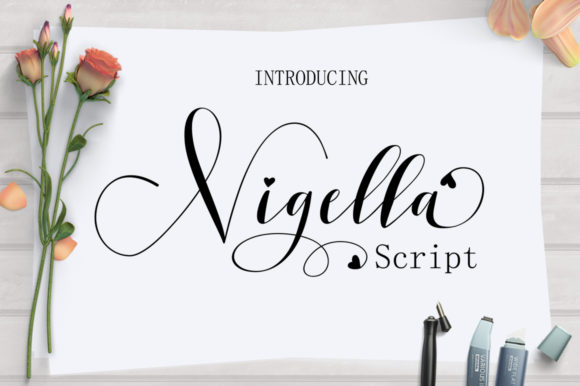
Nigella is more than just a script font; it is a sophisticated typographic tool. Its design features a carefully crafted varying baseline, smooth, flowing lines, and an extensive set of gorgeous glyphs and alternates. This technical foundation allows it to mimic the organic, imperfect beauty of hand-lettering while maintaining the consistency and scalability essential for professional use. For graphic designers, this means access to a creative asset that feels personal and authentic without sacrificing quality or control.
Practical Applications Across Design Disciplines
The true value of a font like Nigella lies in its application. Its elegant yet approachable aesthetic makes it a versatile component in a designer's toolkit, capable of elevating a wide range of creative projects.
- Brand Identity & Logo Design: Nigella excels at creating distinctive wordmarks and logos for brands seeking a personal, artisanal, or luxurious feel. It’s ideal for boutique businesses, lifestyle brands, wedding services, and high-end product lines where conveying warmth and craftsmanship is key.
- Marketing & Social Media Graphics: In digital marketing, standing out on a feed is crucial. Using Nigella for headlines, quotes, or call-to-action text on social media graphics and advertising campaigns instantly adds a human touch, increasing visual appeal and engagement.
- Editorial & Web Design: While not suited for body text, Nigella is perfect for creating visual hierarchy in editorial layouts, magazine covers, or website hero sections. It pairs beautifully with clean sans-serifs to create a dynamic contrast that guides the user's eye.
- Packaging & Product Design: On physical goods, typography speaks volumes. Nigella’s elegant script can enhance packaging design for cosmetics, gourmet foods, or artisanal goods, suggesting quality and attention to detail at first glance.
Integrating Nigella into Your Design Workflow
To maximize its impact, consider these practical tips for implementation:
- Prioritize Readability: Always test the font at the intended size and context. Its flowing nature works best for short bursts of text—titles, pull quotes, and labels—rather than lengthy paragraphs.
- Establish Visual Hierarchy: Use Nigella as a focal point. Pair it with a strong, neutral typeface for supporting text to create a balanced composition that is both beautiful and easy to navigate.
- Leverage OpenType Features: Explore the font’s alternates and ligatures. These hidden gems allow you to customize letter combinations, ensuring a more natural, hand-lettered look and avoiding repetitive characters.
- Consider Your Audience: Ensure the font’s personality aligns with your target demographic. Its classic elegance appeals to audiences valuing sophistication, tradition, and aesthetic refinement.
Ultimately, the strength of any visual communication lies in the harmony of its elements. Typography is a fundamental pillar of that structure, directly influencing tone, mood, and user experience. Selecting a thoughtfully designed asset like Nigella is not merely a decorative choice; it is a strategic decision to enhance clarity, evoke emotion, and build a stronger, more cohesive visual narrative. In a world saturated with generic text, such intentional design choices are what separate the ordinary from the exceptional, making every project not only seen but felt.