The Elegance of Style: A Handwritten Font for Modern Design
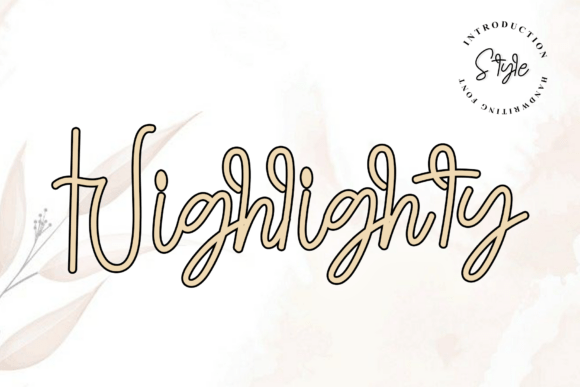
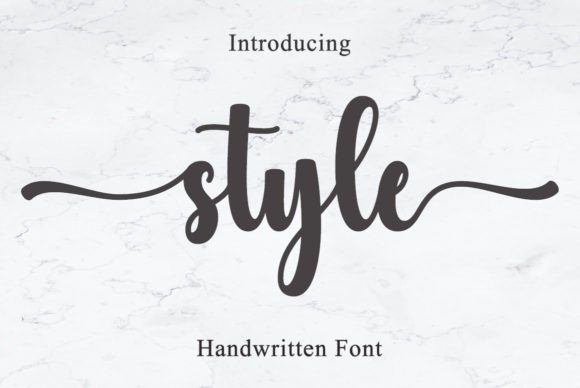
In the crowded landscape of digital communication, a single, elegant handwritten word can stop a scroll and capture a moment. This is the power of typography, and it's precisely where the Style font excels. As a stylish and incredibly elegant handwritten font, it offers a human touch that resonates deeply in an age of digital perfection. Its fluid strokes and sophisticated character make it a versatile asset for any designer or creator looking to infuse projects with warmth, personality, and a premium aesthetic.
Why Handwritten Typography Matters in Branding
Typography is a cornerstone of visual design and brand identity. The right font doesn't just display text; it conveys emotion, establishes tone, and builds recognition. A handwritten font like Style is particularly effective for brands aiming to project authenticity, approachability, and artisanal quality. It moves beyond cold, corporate letterforms to create an immediate emotional connection with the audience. This is crucial in branding, where the goal is to build trust and a memorable personality.
Consider the difference between a generic sans-serif logo and one rendered in a thoughtful handwritten script. The latter often feels more personal, bespoke, and crafted with care. This principle extends across all creative projects, from packaging design to social media graphics, where a human touch can significantly enhance user engagement and brand recall.
Practical Applications for the Style Font
The true value of a design asset lies in its application. Style's PUA encoding is a technical feature that translates directly to creative freedom, granting easy access to all glyphs and alternates. This allows for nuanced customization, enabling designers to create unique ligatures and stylistic variations that prevent the text from looking repetitive. Here’s how you can leverage its elegance across various design contexts:
- Brand Identity & Logo Design: Perfect for creating logos, wordmarks, and brand names that need a signature feel. It works beautifully for boutique businesses, lifestyle brands, and personal portfolios.
- Marketing & Print Collateral: Elevate wedding invitations, thank you cards, greeting cards, and business cards. Its readability at medium sizes makes it ideal for quotes, headlines, and call-to-action text in brochures and flyers.
- Digital & Social Media: Create stunning social media graphics, Instagram quotes, and YouTube thumbnails. It adds a layer of sophistication to digital marketing materials, helping them stand out in fast-paced feeds.
- Editorial & Web Design: Use it for pull quotes, chapter headings, or accent text in editorial layouts and website hero sections. It introduces visual hierarchy and breaks the monotony of body text, enhancing the overall user experience (UX).
- Packaging & Merchandise: Apply it to product labels, packaging sleeves, or merchandise like mugs and tote bags. The handwritten style suggests a product made with intention and quality.
Integrating Style into Your Design Workflow
Selecting a font is only the first step; integrating it effectively is what separates good design from great. When using Style, consider its role within your broader visual system. It typically shines as a display or accent font, paired with a clean, neutral sans-serif or serif for body copy to ensure optimal readability and maintain a clear visual hierarchy.
Always test the font in context. View it alongside your chosen color palette, imagery, and other graphic design elements. Does it complement the modern aesthetics of your project? Does it scale well for both a large hero image and a small caption? Its elegant loops and swashes are designed for impact, so use them purposefully to guide the viewer's eye without overwhelming the composition. This thoughtful approach ensures the font enhances, rather than distracts from, your core message.
In the end, every design choice is a communication decision. Quality creative assets like the Style handwritten font are more than just decorative tools; they are instruments for storytelling. By choosing typography that aligns with your project's goals and audience expectations, you invest in a more polished, professional, and emotionally resonant presentation. This attention to detail elevates your work, strengthens your brand's narrative, and ultimately creates a more engaging and memorable experience for everyone who encounters it.